

From Powder to Performance: Advanced Forming & Controlled Sintering
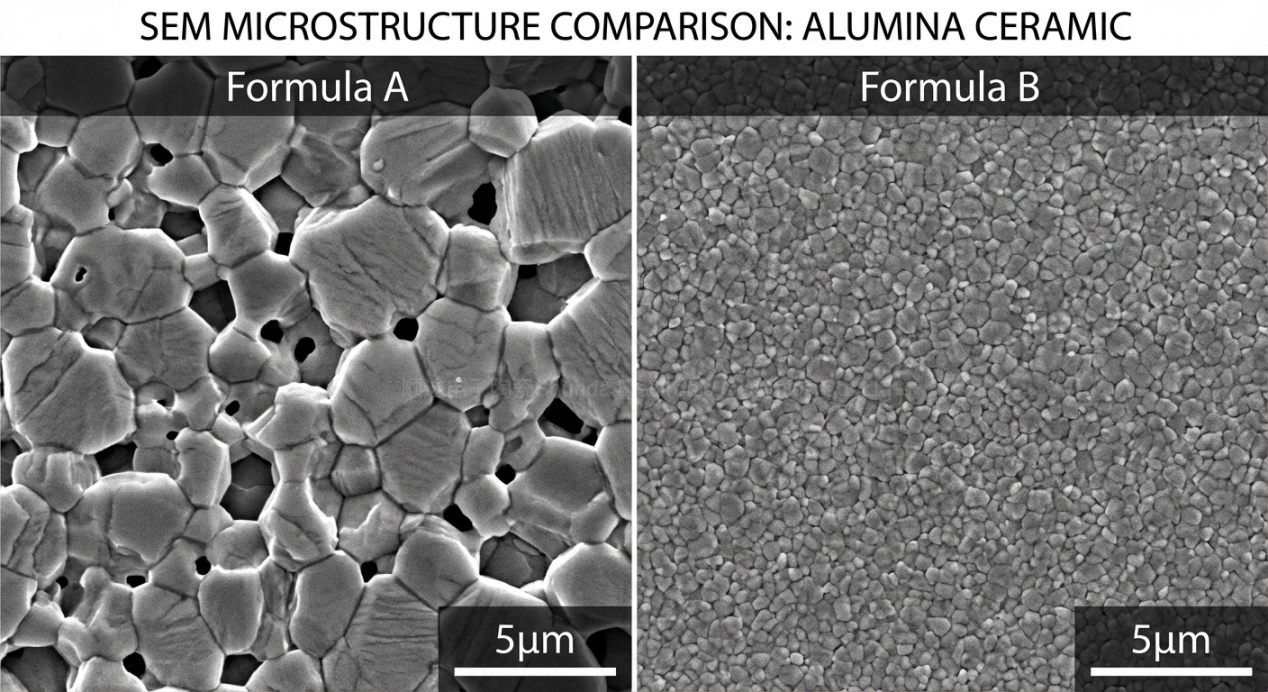
The quality of a technical ceramic component is determined long before it reaches the CNC machine. At Shunda Electronic Ceramics, we utilize a diverse range of forming technologies to achieve the optimal density, geometry, and cost-structure for your project. Our computer-controlled sintering processes ensure uniform grain growth and maximum mechanical strength.
Diverse Forming Technologies
We select the most efficient forming method based on your part's complexity and volume:
CIM (Ceramic Injection Molding): * Best for: Complex, high-volume miniature parts.
Advantage: Net-shape capability with minimal machining.
Dry Pressing (Automated): * Best for: Simple shapes like discs, rings, and spacers.
Advantage: High-speed production with excellent dimensional consistency.
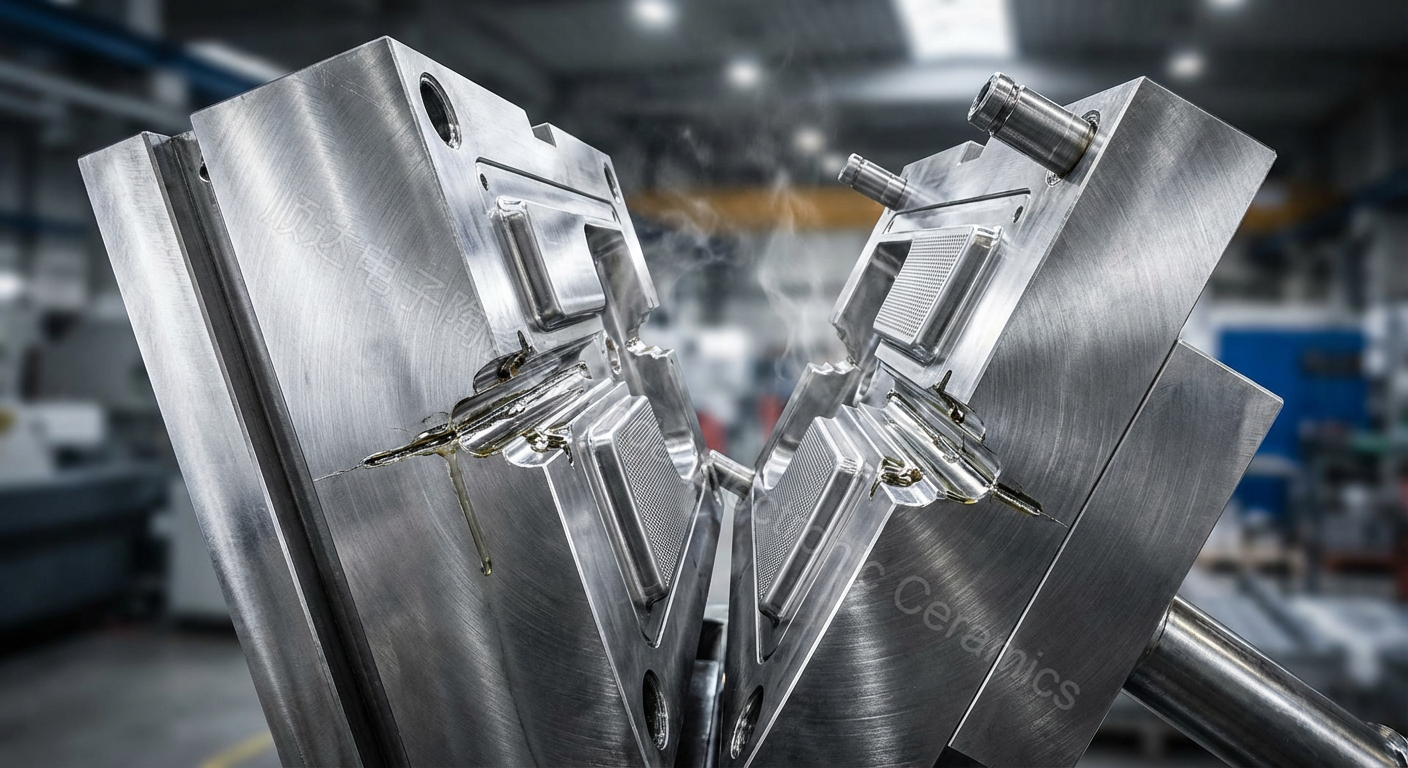
Hot Press Casting (Manual/Automated) is most suitable for: small to medium-sized special ceramic bodies with complex shapes, high precision requirements, and thin walls.
Advantages: strong molding capability, high production efficiency, uniform body quality, no need for drying.
Tape Casting is most suitable for: preparing large-area, ultra-thin, flat or film-shaped ceramic bodies with uniform thickness.
Advantages: capable of producing ultra-thin and flat bodies, high production efficiency, low cost, excellent controllability of composition and thickness.
Cold Isostatic Pressing (CIP): * Best for: Large, thick-walled, or non-uniform blanks.
Advantage: Uniform density from all directions, reducing internal stress.
Gel Casting & Slip Casting: * Best for: Prototyping and ultra-large structural components.
Precision Sintering & Atmosphere Control
Sintering is where the "green" body transforms into a dense, high-strength ceramic. Our facility is equipped with high-temperature kilns capable of reaching 1800°C.
Atmosphere Control: Sintering in Air, Vacuum, or Reducing Atmospheres (H2/N2) to optimize material properties.
Shrinkage Management: Sophisticated tracking of shrinkage rates (typically 15-25%) to ensure final precision.
Cycle Optimization: Controlled heating and cooling rates to prevent micro-cracking and grain coarsening.
Comparison of Forming Methods
Quality Control at the Green Stage
To ensure zero defects, we inspect our parts before they even enter the kiln:
Green Density Verification: Ensuring uniform compaction to prevent warping.
Defect Detection: Visual and tactile inspection for laminations or edge chips.
Weight Consistency: Monitoring granulate flow for high-volume stability.
Scale Your Production With Us
Whether you need 10 prototypes or 1,000,000 mass-produced parts, our forming infrastructure is built to scale with your business.